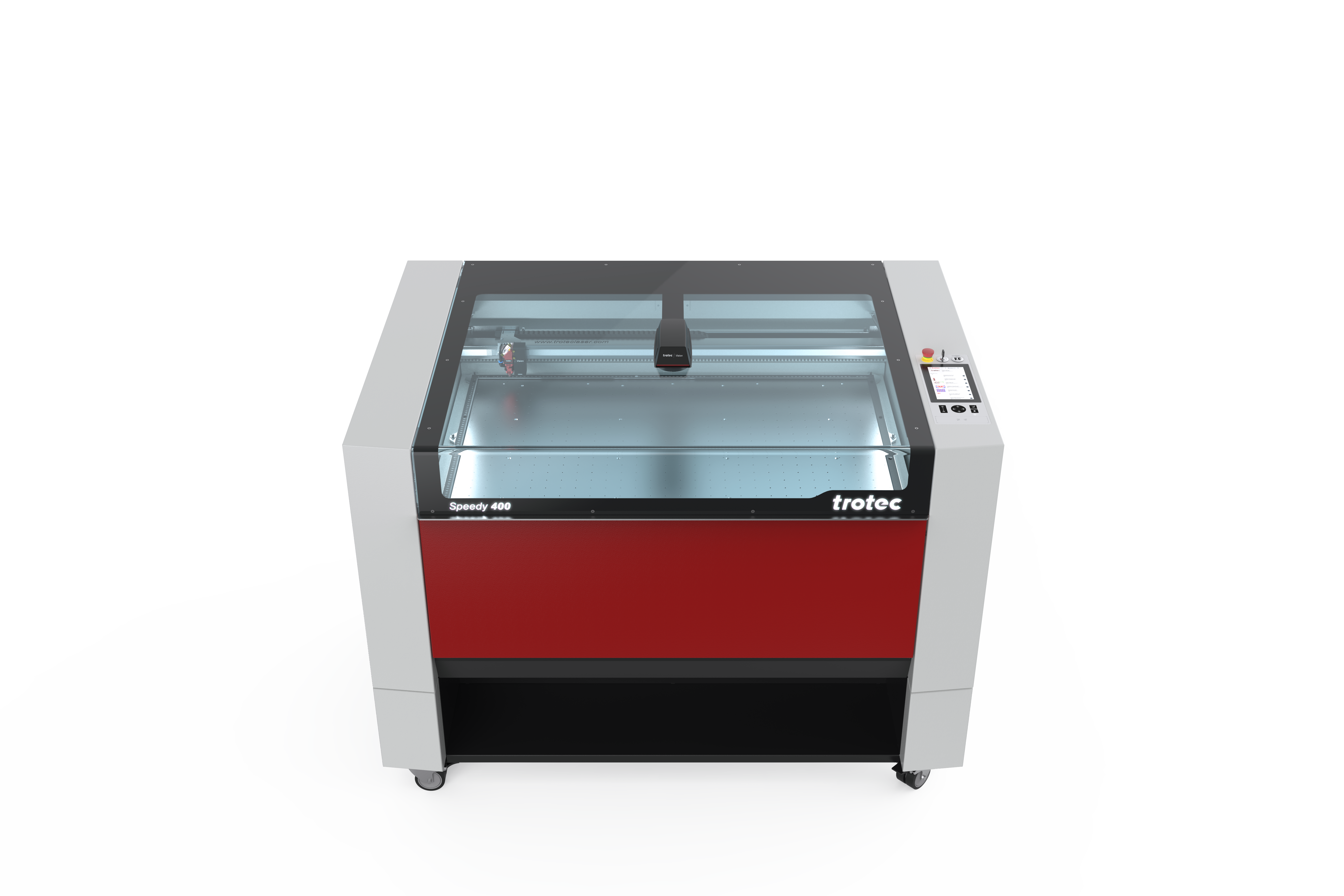
A laser cutter follows a vector path and burns or melts through the material, or marks its surface for engraving. It needs no die, so each design can change from one piece to the next.
Brands use it to cut fabric shapes and appliques with sealed edges, perforate leather, engrave logos on leather patches and wood, and make acrylic signs and displays. Synthetic fabrics come out with melted edges that do not fray.
Good for
✓Appliques, patch borders and fabric shapes with sealed edges
✓Perforated or engraved leather
✓Engraved wood and acrylic tags, signs and displays
✓Short runs and prototypes, since there is no die
Look elsewhere for
✕Cutting large garment orders in many plies: look for FABRIC CUTTING
✕Raised or pressed designs in leather: look for EMBOSSING
✕PVC and vinyl, which give off toxic gas under a laser
02Proof of work
No photos yet
Shops that offer laser cutting add photos of their work to their profile, tagged LASER CUTTING. They show here.
✓The material, its thickness and its color, or the material itself
✓The quantity, and the date the parts have to arrive
What sets the price
—Machine time, set by the length of cut and the engraved area
—The material and its thickness
—Cleaning, sorting and packing of small parts
—Quantity and setup
06Questions
Which materials can be laser cut?
Most woven and knit fabrics, leather, felt, wood, paper, cardboard and cast acrylic cut well with a CO2 laser. PVC and vinyl should not be lasered, and bare metal needs a fiber laser.
Will a laser leave burn marks?
Light materials and leather can show brown edges or smoke stains. Shops reduce this with masking tape, air assist and the right settings, so ask for a test cut on your material.