ADN
Service spec sheet · PRINTING · SCREEN PRINTING

01Overview

Screen printing pushes ink through a fine mesh screen onto a garment or a sheet. Each color in the design gets its own screen, and the colors are printed one after another in register.

Making the screens is most of the setup, so the price per piece falls quickly as the run grows. That makes screen printing the usual choice for shirts, hoodies, totes and posters in runs of a few dozen pieces and up, and the only choice for some looks, such as discharge, high density and foil.

Good for

  • Runs of a few dozen pieces and up, where setup is spread over many pieces
  • Bold spot colors matched to a Pantone reference
  • Soft discharge and water-based prints on cotton
  • Raised, metallic, foil and other specialty inks
  • Posters and other flat stock

Look elsewhere for

  • One-off or very short runs of a many-color design: DTG or DTF costs less
  • A different design on every piece
  • Photographs on a few pieces: process color needs a long run to pay for its setup

02Proof of work

No photos yet

Shops that offer screen printing add photos of their work to their profile, tagged SCREEN PRINTING. They show here.

Show your work here -->

03Process

  1. 01The art is separated into one film positive per color (the free Separation Table on this site does this step).
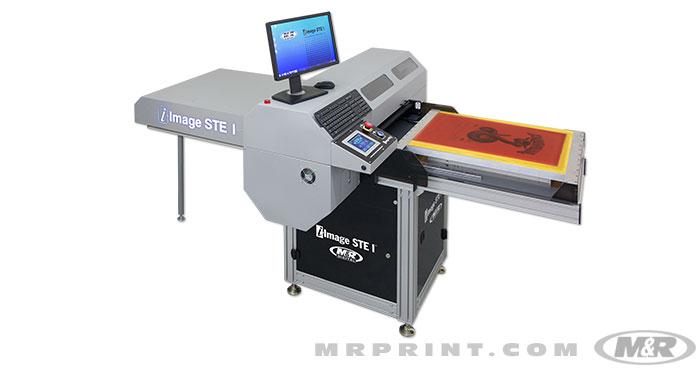
  2. 02Each screen is coated with light-sensitive emulsion, exposed through its film, and washed out, leaving an open stencil of that color.
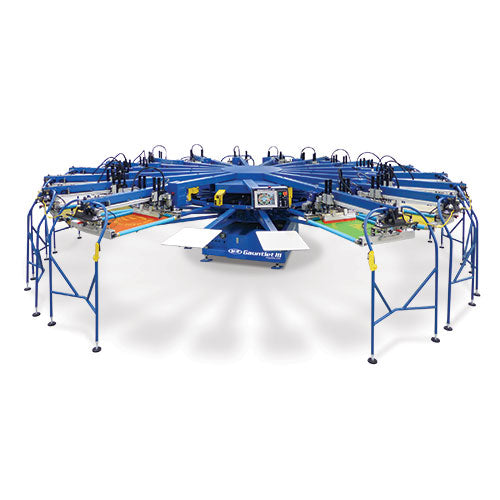
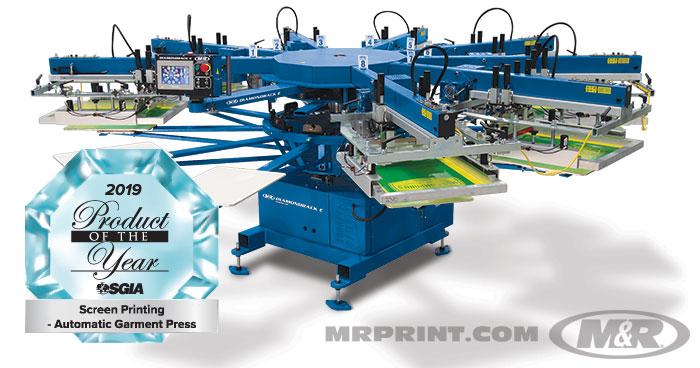
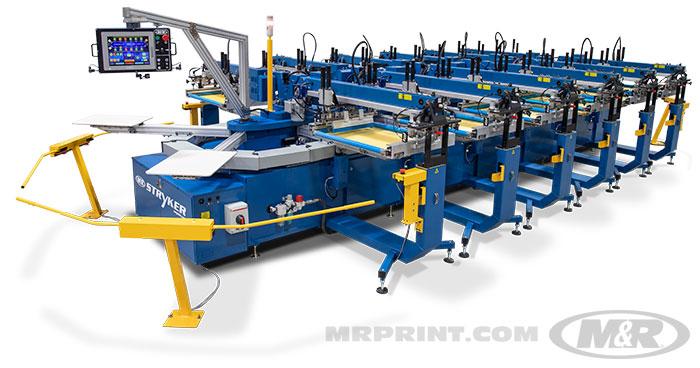
  3. 03The screens are locked on a manual or automatic press and lined up so the colors land in register.
  4. 04A squeegee pulls ink through each screen in turn. On dark garments a white underbase is printed first and flashed dry.
  5. 05The prints run through a conveyor dryer to cure the ink, then are checked, folded and packed.

04Capabilities

  • spot colorEach color is its own ink, mixed to match, often to a Pantone number.
  • process colorFour inks (cyan, magenta, yellow, black) printed as halftone dots that blend into full color, for photographs.
  • dischargeAn ink that removes the garment's dye and replaces it with color, so the print is soft. Results depend on how the garment was dyed.
  • waterbaseWater-based inks that soak into the fabric instead of sitting on top, for a soft print.
  • silicone inkStretchy, soft inks that suit performance and polyester fabrics.
  • high densityThick stencils that build a raised print with sharp edges.
  • foil and specialty inkFoil, glitter, puff, metallic and other effect inks.
  • flat stockPrinting on paper, card, wood and other flat sheets instead of garments.

Shops pick the ones they offer. Asking for one ranks the shops that have it first.

05Machines · 15

15 models · 4 brands · 5 kinds

Manual press

2 models

Computer-to-screen imager

1 model

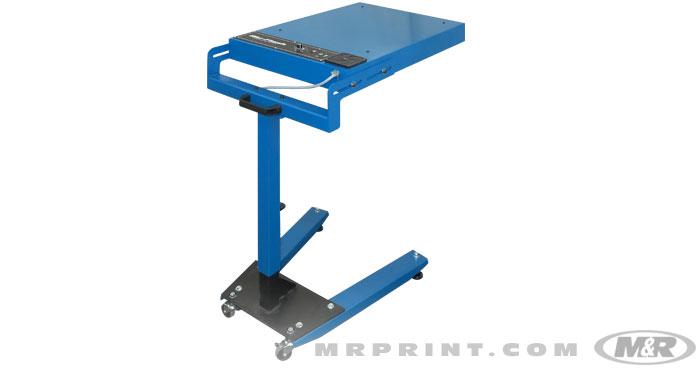
Flash cure

1 model

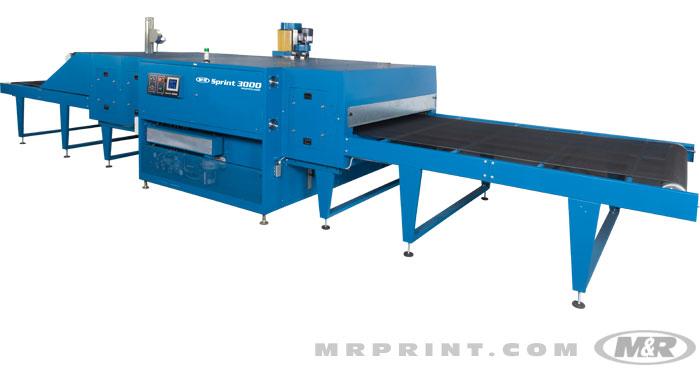
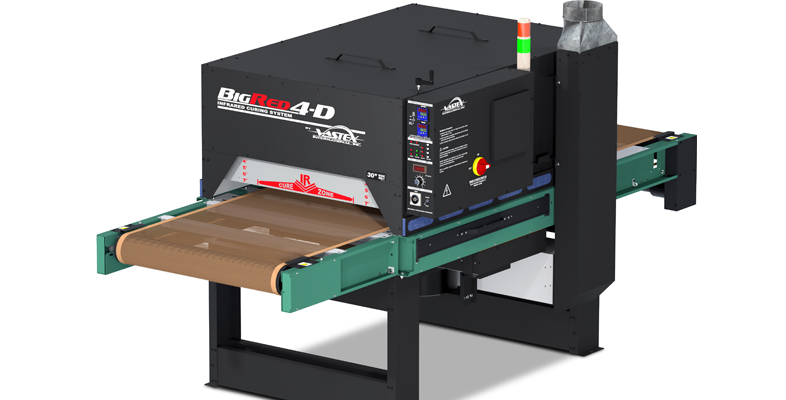
Conveyor dryer

3 models

06Ordering

What to send a shop

  • The art as vector files, or raster at full print size and 300 ppi or more
  • The ink colors, as Pantone numbers where color matters
  • The garments: brand, style, colors and the size breakdown
  • Each print location and its size
  • The quantity, and the date the order has to arrive

What sets the price

  • The number of colors at each location, since each color is a screen
  • The number of print locations
  • The quantity: the per-piece price falls as the run grows
  • An underbase for dark garments, and specialty inks
  • The garments themselves, if the shop supplies them

07Free tools

08Questions

What is the minimum order for screen printing?
Each shop sets its own, and many start at a few dozen pieces. The setup costs the same for 12 shirts as for 500, so short runs cost more per piece.
How many colors can a screen print have?
As many as the press has stations, often 6 to 12 on an automatic press. Every color is another screen, so each one adds to the setup.
What is the difference between plastisol and water-based ink?
Plastisol is a PVC ink that sits on top of the fabric, is easy to print and gives bright color on dark garments. Water-based ink soaks into the fabric and feels softer. Ask the shop which it runs.
What is an underbase?
A layer of white printed first on a dark garment so the colors on top stay bright. It is one more screen.
Can a screen printer match my brand colors?
Most shops mix ink to a Pantone number. Send the numbers with the art and ask for a printed sample if the match matters.